Prove You're Human: AI, Digital ID and the Gate to Everything
AI, deepfakes and data breaches spark calls for tighter ID, and leaders are happy to oblige, bit by bit, until you can't work, bank, travel or speak without it.
Overview
What's at stake is access: to work, bank, travel and speak. Each crisis brings calls for tighter checks, and leaders and institutions are happy to oblige, one layer at a time. People accept each layer because it promises to fix the last problem, yet each one leaves access a little more conditional.
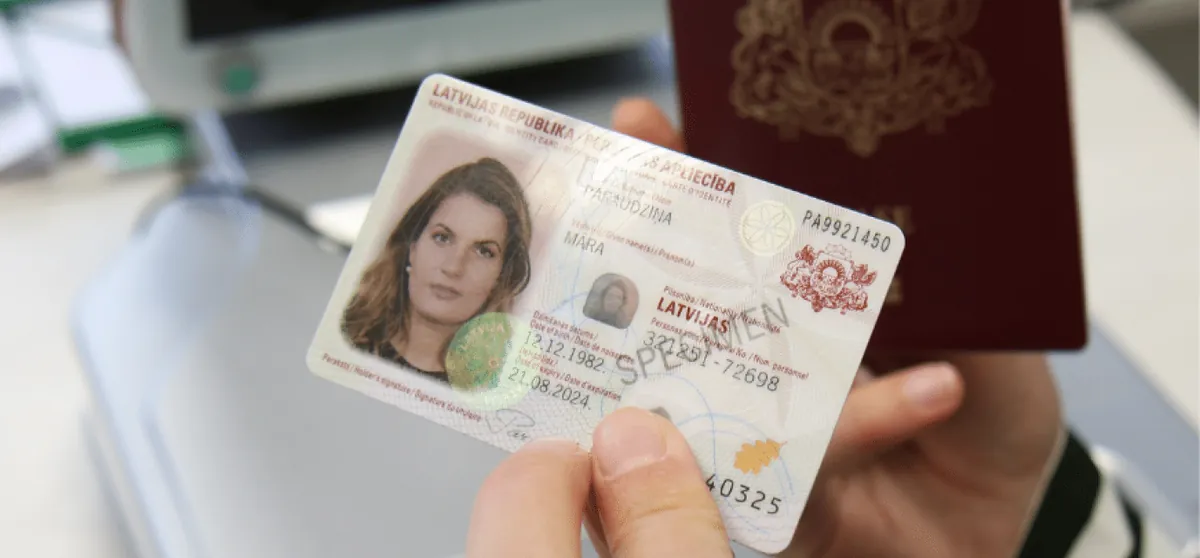
Cards were forged, so ID went digital. Then databases were hacked. In 2015, hackers took 5.6 million fingerprints from the US government. The 2022 Optus and Medibank breaches hit millions of Australians. Now scammers use AI-generated faces and voices to rob people. Every wave of fraud brings calls for stronger ID.
COVID showed how a crisis makes ID a condition of entry. In 2021, people in Israel, Europe and parts of Australia needed a vaccine pass on their phone to enter restaurants and venues. ICAO, which sets the world's passport rules, recommended signing those passes with the same keys countries use for passports, tying health records to passport identity.
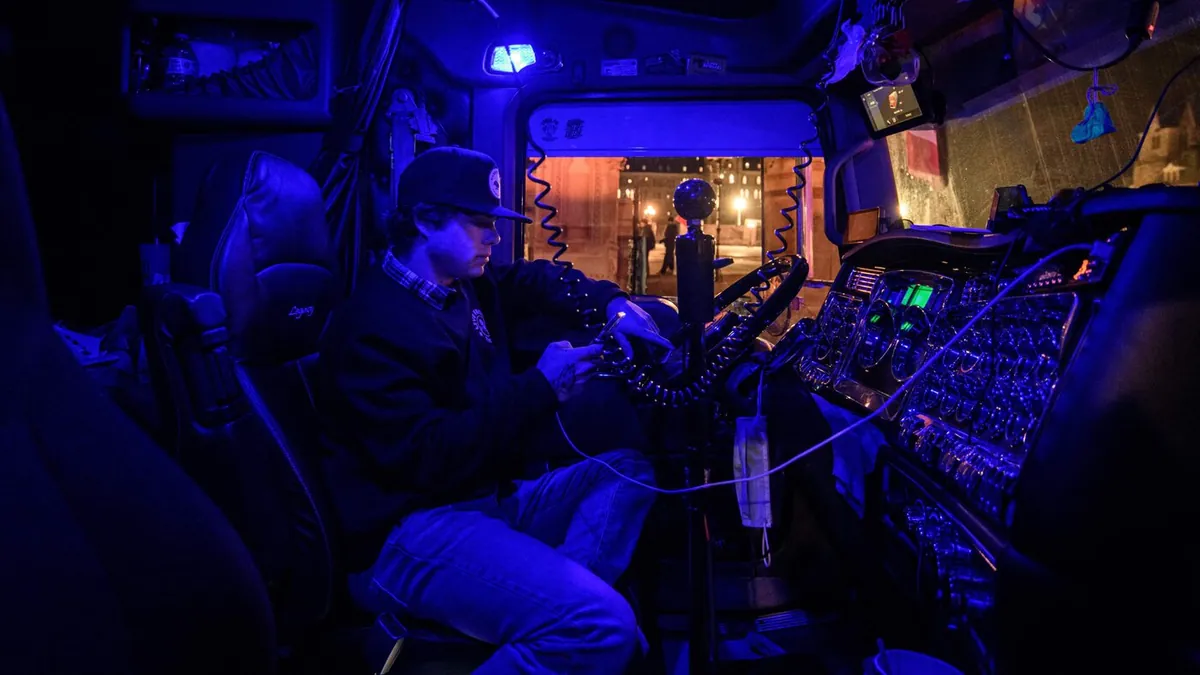
Proving who you are and judging what you believe are being built side by side. In 2021, a sitting US president was banned from social media. The platform his supporters moved to was taken offline within days. In 2022, Canada froze trucker protesters' bank accounts, which the courts later ruled unreasonable. In 2023, a British bank closed Nigel Farage's account after its committee decided his views were "at odds with our position as an inclusive organisation". Identity tells the system who you are. These cases show it can already decide what that costs you.
Sanctions show the same thing between nations. Once aimed at whole populations they now target individuals, freezing an oligarch's assets or cutting a court prosecutor off from his bank and email. Digital ID tied to money would let that be done to anyone.
And it is going global. The UN's Agenda 2030 promises "legal identity for all". The UN-backed 50-in-5 campaign helps dozens of countries build digital ID and payment systems. Alongside passport standards, these systems are moving towards working together. BlackRock's Larry Fink says tokenising every asset means "we must solve digital verification, too."
Each layer arrives with a reason. A pandemic, a wave of fraud, mass migration (Britain proposed mandatory digital ID for right-to-work checks to curb illegal working), the next war or terror attack: every crisis becomes the excuse to lay more groundwork. But the groundwork is only the start. Enforcement comes after a catalyst big enough that refusing looks dangerous, and that is when an ID that proves who you are starts deciding what you may believe. China shows where that leads. Since July 2026 its national unity law has required ethnic minorities to conform to Communist Party guidelines on culture and religion, enforced by a state that already knows who everyone is.
People have pushed back. Australians rejected the Australia Card in 1987, and Britain scrapped its national ID cards in 2010. People keep rejecting ID schemes because they can see where they lead, and they are right to. Still, the layers arrive. America's REAL ID Act of 2005, passed after 9/11, made proof of legal status a condition of getting a driver's licence. Since May 2025, Americans have needed REAL ID or another accepted ID, such as a passport, to fly at home.
Sam Altman's Worldcoin, an iris-scanned ID with its own currency, may never catch on. It still shows one powerful man betting that whoever runs identity will run the next system for managing people.
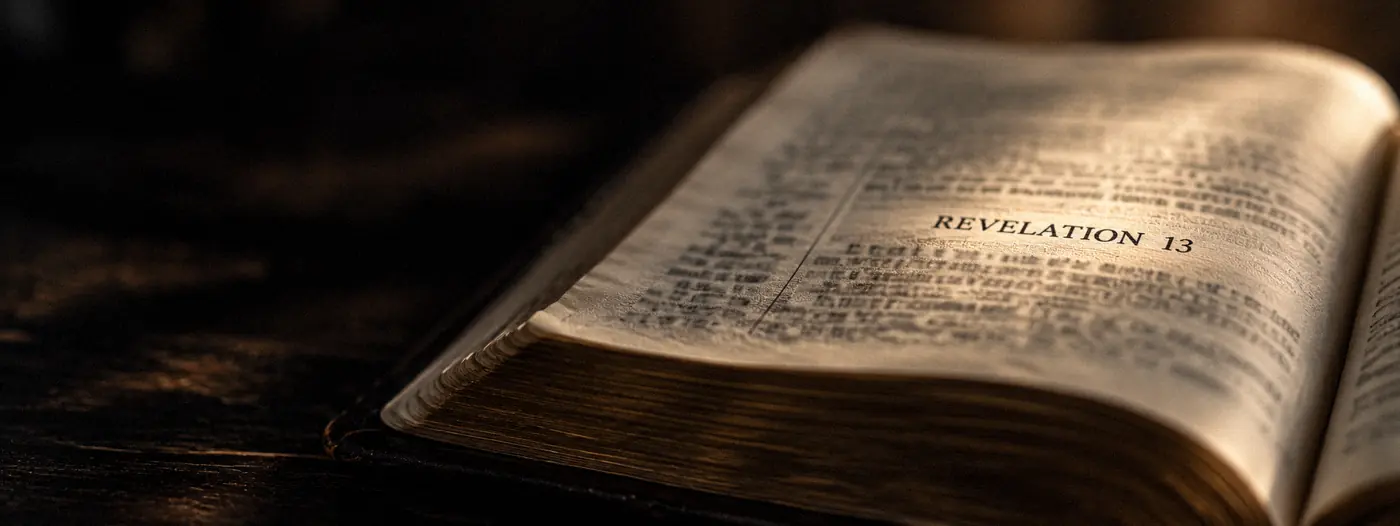
The cure is worse than the disease. You can change a stolen password. You can't change a stolen fingerprint or face. Each failure pushes towards an ID you can't lose or remove, tied to purchases and belief. Scripture tells us where that road ends. Those who will not worship the image of the beast are to be killed, and everyone must receive a mark "in their right hand, or in their foreheads", so "that no man might buy or sell, save he that had the mark" (Revelation 13:15–17, KJV). The final ID proves who you are and whom you worship.
Key verseAnd he causeth all, both small and great, rich and poor, free and bond, to receive a mark in their right hand, or in their foreheads: And that no man might buy or sell, save he that had the mark, or the name of the beast, or the number of his name.
Revelation 13:16–17 (KJV)
SP / Field notesThe connected events
Convergence matrix How the threads meet, at a glance
- Rows Threads
- Columns Months
- Builds on
- Background event
- Click a dot to pin its details
Timeline
This timeline is a selection, not a complete record. Many more events sit behind it; the key events gathered here help show the wider trend.
- 13Groundwork
- 7Builds
- 26Extends
- 25Tightens
- 3Converges
- #1World GovernmentGroundworkPushback
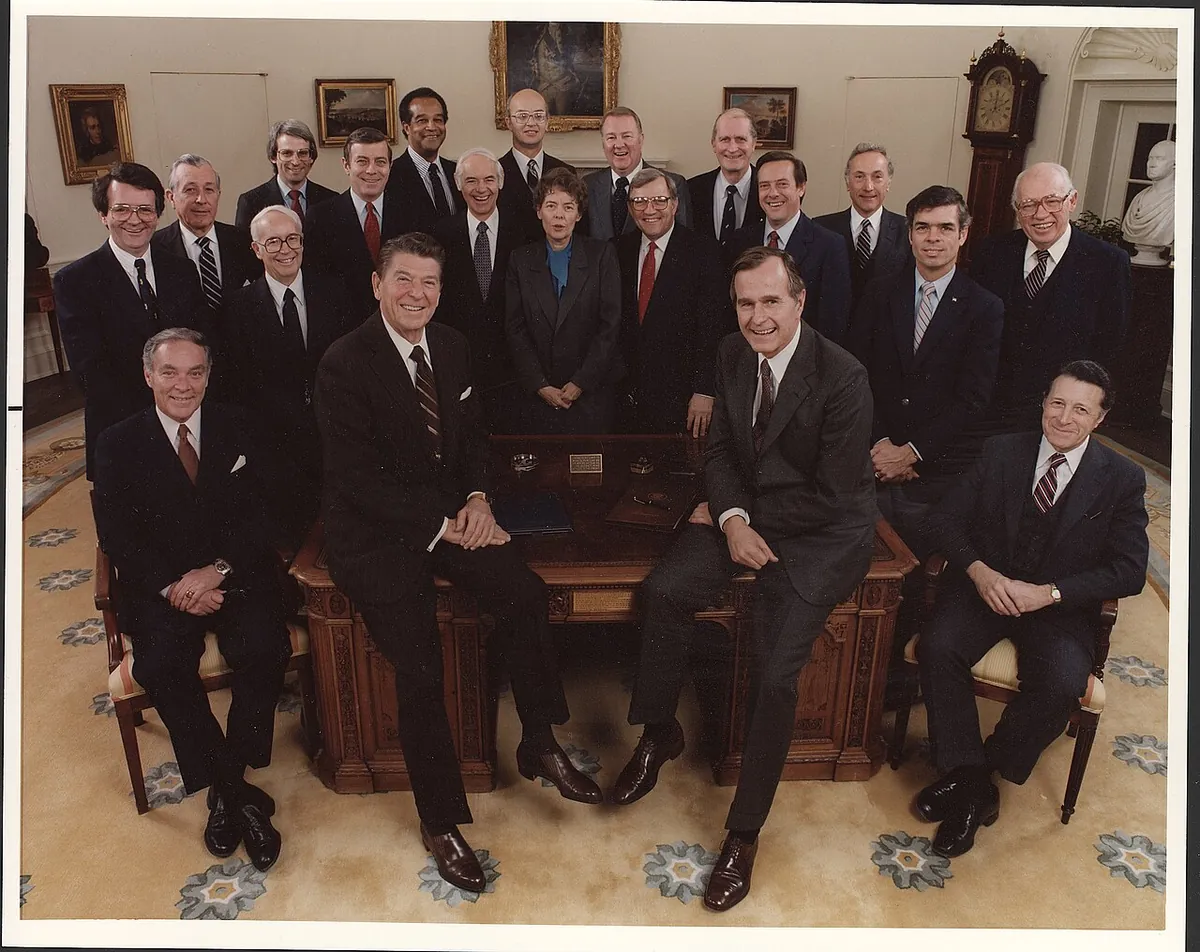
Reagan Cabinet's National ID Debate Recalled by Martin Anderson
At a White House cabinet meeting, the Attorney General proposed a national ID card to stop illegal immigrants from working. When adviser Martin Anderson suggested tattooing a number on everyone's arm, Interior Secretary James Watt said: "Why, it sounds to me as if you're talking about the mark of the Beast." Reagan joked, "Maybe we should just brand all the babies," and the plan died.
- #2World GovernmentGroundworkPushback
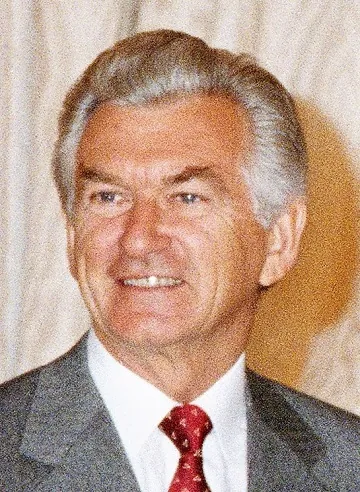
Australia Card Bill referred to a Senate committee
National identity schemes predate modern generative AI. The Australia Card proposal became a major political dispute and was abandoned in 1987. This is historical groundwork, not evidence that all identity schemes have a single purpose.
Show 1 related Hide related
- #3
America legislates its own identity standard. The REAL ID Act, passed in 2005 on the 9/11 Commission's recommendation, set minimum federal standards for driver's licences and barred agencies from accepting non-compliant cards for official purposes.
- #3
- #4World EconomicsBuilds
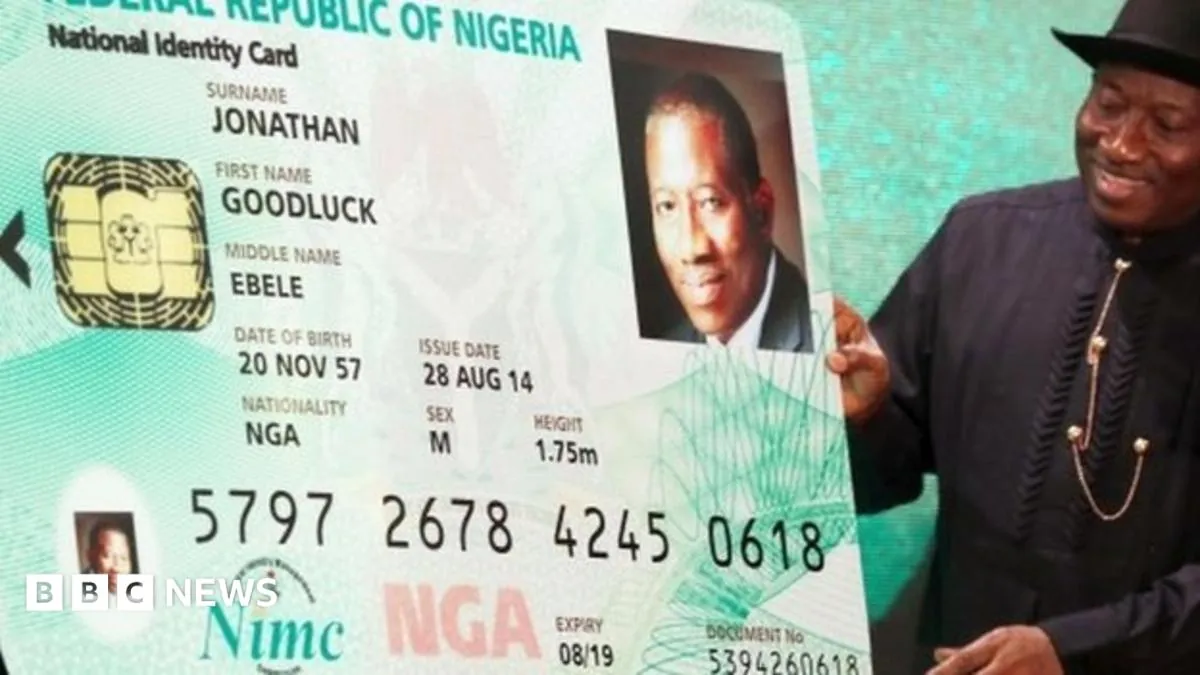
Nigeria Launches Mastercard-Branded National ID Card That Doubles as a Payment Card
Identity and payment arrive on one card. Nigeria's national ID launches with a Mastercard prepaid payment chip, so the same card that proves who you are can also pay.
Show 1 related Hide related
- #5
Biometrics cannot be reissued. The US Office of Personnel Management says hackers stole the fingerprints of about 5.6 million people, up from 1.1 million first reported. It says misuse is limited "as of now" but "could change over time as technology evolves".
- #5
- #6World GovernmentGroundwork
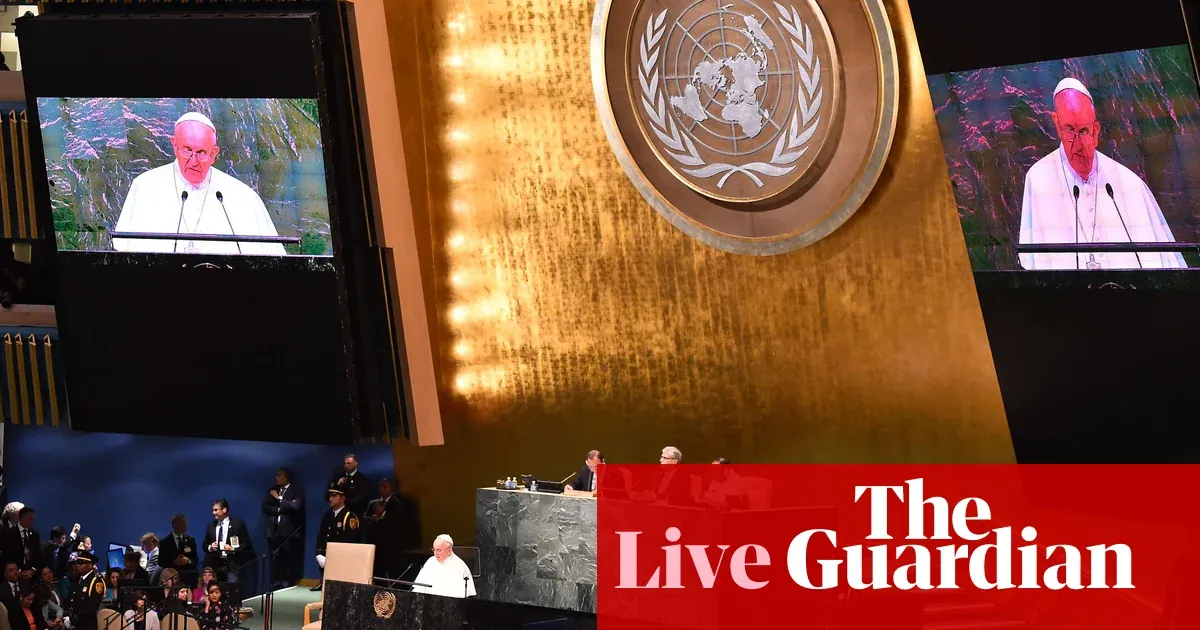
UN Agenda 2030 Sets "Legal Identity for All" Target
The global target is set. Sustainable Development Goal 16.9 commits UN members to "legal identity for all, including birth registration, by 2030". The UN's Legal Identity Agenda describes managing that identity from birth to death, and counts a digital identity credential as proof.
Show 3 related Hide related
- #7
Travel documents are standardised worldwide. Under an ICAO standard, handwritten and other non-machine-readable passports were to be out of circulation by 24 November 2015. ICAO sets passport and travel-credential standards; it does not mandate national ID cards.
- #8
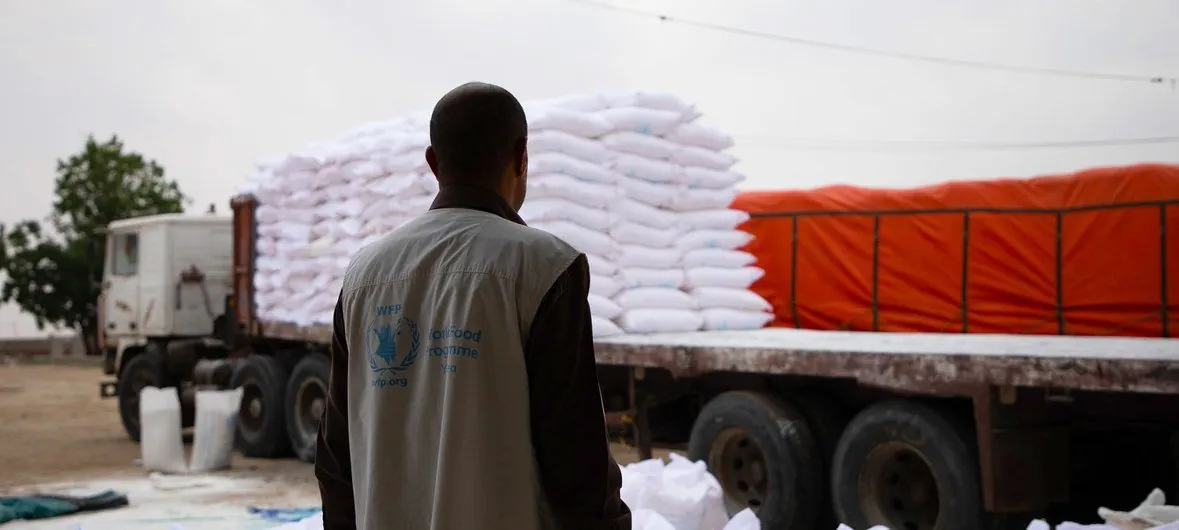
Aid meets the iris scanner and the blockchain. In Jordan's refugee camps, food assistance is paid out by iris scan against a UN database, with balances held on a WFP blockchain, and its designer pictures a portable ID and wallet.
- #9
Swedish fintech Doconomy, Mastercard and the UN's climate secretariat launched DO Black, billed as the first card to stop purchases once you pass a carbon limit, set per person by country. It was voluntary and was withdrawn in 2022, but the off switch had been built.
- #7
- #10World GovernmentTightens
UN Food Agency Partly Suspends Yemen Aid in Dispute Over Biometric Registration
Aid becomes conditional on biometrics. WFP partly suspends food deliveries in Houthi-held Yemen after the authorities refuse biometric registration. This is a specific dispute over aid diversion, not a general UN rule that aid requires digital ID.
- #11World GovernmentBuilds
ID2020 Launches Biometric Digital ID for Newborns With Bangladesh and Gavi
Identity from birth. ID2020, Bangladesh and Gavi propose using infant vaccination visits to give newborns a "persistent and portable biometrically-linked digital identity", with Gavi suggesting it could be repeated in other countries.
Show 4 related Hide related
- #12
The Finnish city of Lahti launched the EU's first personal carbon trading scheme. A phone app tracked how residents travelled and gave each a weekly allowance of 17 kg of CO2, with rewards for staying under it. It was voluntary and EU-funded.
- #13
After the Capitol riot, Twitter permanently banned the sitting US president. Within about a day Apple, Google and Amazon cut off Parler, the app many of his supporters moved to, taking it off the internet. Speech was shut off at the platform level, not by any court.
- #14
Mastercard released its Carbon Calculator to banks worldwide. Built on Doconomy's Åland Index, it estimates the emissions of each card purchase, tracks them over time and compares the cardholder against a UN target or the national average.
- #15
Researchers in Nature Sustainability argued for reviving personal carbon allowances: every adult given an equal, tradable carbon budget that shrinks over time, with spending tracked digitally. It is an academic proposal, not a law.
- #12
- #16World EconomicsTightens
Trudeau Invokes Emergency Powers as Banks Freeze Convoy Funds
Canada used the Emergencies Act for the first time to end the trucker convoy, letting banks freeze protesters' bank and credit card accounts without a court order. In January 2024 a Federal Court judge ruled the move unreasonable and the freezes a breach of Charter rights. In January 2026 the Federal Court of Appeal unanimously upheld that ruling.
Show 2 related Hide related
- #17
After Russia invaded Ukraine, the US, EU, UK and Canada cut selected Russian banks off from the SWIFT payments network and set up a task force to find and freeze the assets of sanctioned oligarchs. Sanctions on a country fall on its whole population; the task force aimed at named individuals.
- #18
After a 250,000-customer pilot, Commonwealth Bank gave all retail customers a monthly carbon footprint in the CommBank app, built from their everyday account, credit card and BPAY spending and compared with the national average.
- #17
- #19World EconomicsGroundwork
Optus Discloses Cyberattack Exposing Customers' Identity Details
APRA reported approximately 9.8 million customer records affected, with identity-document numbers among the information suspected to be compromised. Stolen credentials can be used to impersonate real people; verification was already under pressure before the AI surge.
Show 4 related Hide related
- #20
The BBC reported that data relating to 9.7 million customers had been stolen and a sample released. These breaches exposed the cost of concentrating personal data and increased pressure for safer ways to prove identity.
- #21
Coutts' own risk committee decided keeping Nigel Farage was not "compatible with Coutts given his publicly-stated views that were at odds with our position as an inclusive organisation", though he met its wealth criteria. NatWest's chief executive resigned over the affair.
- #22
The alliance is absorbed, not ended. ID2020's digital-ID work moves into the Digital Impact Alliance, whose chief executive calls digital identity "the foundation" for accessing services and joining the formal economy.
- #23
Digital ID becomes national infrastructure. The 50-in-5 campaign aims for 50 countries to build digital ID, payment or data-exchange systems by 2028, presented as accelerating the UN Sustainable Development Goals.
- #20
- #24World GovernmentGroundwork
Australian Senate Passes Digital ID Bill for Wider Identity System
The government explicitly cited Optus and Medibank in explaining its economy-wide Digital ID framework. Its stated purpose was safer, voluntary identity verification with less personal information shared. The Signpost’s concern is how identity-linked access could develop, not a claim that this law already imposes the system described in Revelation.
Show 1 related Hide related
- #25
Credit is written onto the identity number. Nigeria's credit agency says every economically active citizen will have a credit score tied to their NIN; by June 2026 the official NINAuth app shows each person's credit record alongside their health insurance number and tax ID.
- #25
- #26World EconomicsExtends
BlackRock's Fink: 'Every Asset Can Be Tokenized' — But Digital Verification Must Come First
Money is to be tokenized, and identity comes first. BlackRock's Larry Fink says every asset can be tokenized, then adds that "we must solve digital verification, too".
Show 3 related Hide related
- #27
A counter-current in America: an executive order prohibits federal agencies from any action to establish, issue or promote a central bank digital currency, citing privacy and US sovereignty.
- #28
Twenty years on, enforcement arrives: from 7 May 2025 travellers need a REAL ID or another accepted ID, such as a passport, to board a US domestic flight. A standardised identity becomes the condition of travel.
- #29
After the International Criminal Court issued an arrest warrant for Israeli Prime Minister Benjamin Netanyahu, the US sanctioned the court's chief prosecutor, Karim Khan. AP reported that his bank accounts in Britain were blocked and Microsoft cancelled his court email. One man was cut off from money and everyday services by a government that is not his own.
- #27
- #30World EconomicsTightens
Vietnam Announces Cleanup of 86 Million Unverified or Inactive Bank Accounts
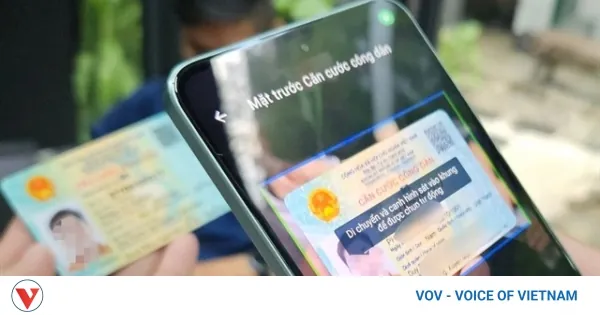
Since January 2025, Vietnamese customers without a face scan matched to their chip ID card or the VNeID app have been blocked from online transactions. The central bank said about 86 million unverified accounts would be closed from 1 September. No biometric ID, no bank account.
Show 2 related Hide related
- #31
After a campaign by Australian group Collective Shout, payment processors including Visa, Mastercard and Stripe pressed Steam and itch.io, which removed or hid thousands of legal adult games. The payment networks, not the law, decided what adults could buy.
- #32
A countercurrent that confirms the danger. Executive Order 14331 says banks restricted services "on the basis of political or religious beliefs", and that after 6 January 2021 the government suggested flagging purchases at Cabela's or Bass Pro Shops and payments mentioning "Trump" or "MAGA". It orders regulators to stop politicised debanking.
- #31
- #33World GovernmentTightens
Starmer Proposes Mandatory Digital ID for Right-to-Work Checks
UK Prime Minister Keir Starmer: "You will not be able to work in the United Kingdom if you do not have digital ID. It's as simple as that." The government said the ID could later be used for welfare, tax records, renting and opening a bank account.
Show 1 related Hide related
- #34
Hackers breached a contractor handling Discord's age-verification appeals, and about 70,000 users may have had government ID photos exposed. Documents collected to prove age became the next thing to steal.
- #34
- #35World GovernmentTightens
Australia's Under-16 Social Media Account Restrictions Take Effect
Platforms must now take reasonable steps to keep under-16s off social media, which means checking the age of their users: by inference from account data, a face-scan estimate or ID. Government ID cannot be the only option. Using social media now depends on proving your age.
Show 3 related Hide related
- #36
After support collapsed and almost three million people signed a petition, the UK dropped the rule that workers must hold a digital ID, keeping a voluntary ID and mandatory digital right-to-work checks. Six months later the new prime minister scrapped the digital ID altogether.
- #37
The European Commission's age-verification app is ready for use as countries across Europe move to set minimum ages for social media. Proof of age becomes a standard EU-wide check for going online.
- #38
The model crosses borders: Nigeria hosts production of a biometric ECOWAS identity card meant to work across 15 West African nations.
- #36
- #39Signs of the TimesGroundwork
AI-Generated Fake IDs Now Undetectable by Human Eye, Firms Race to Respond
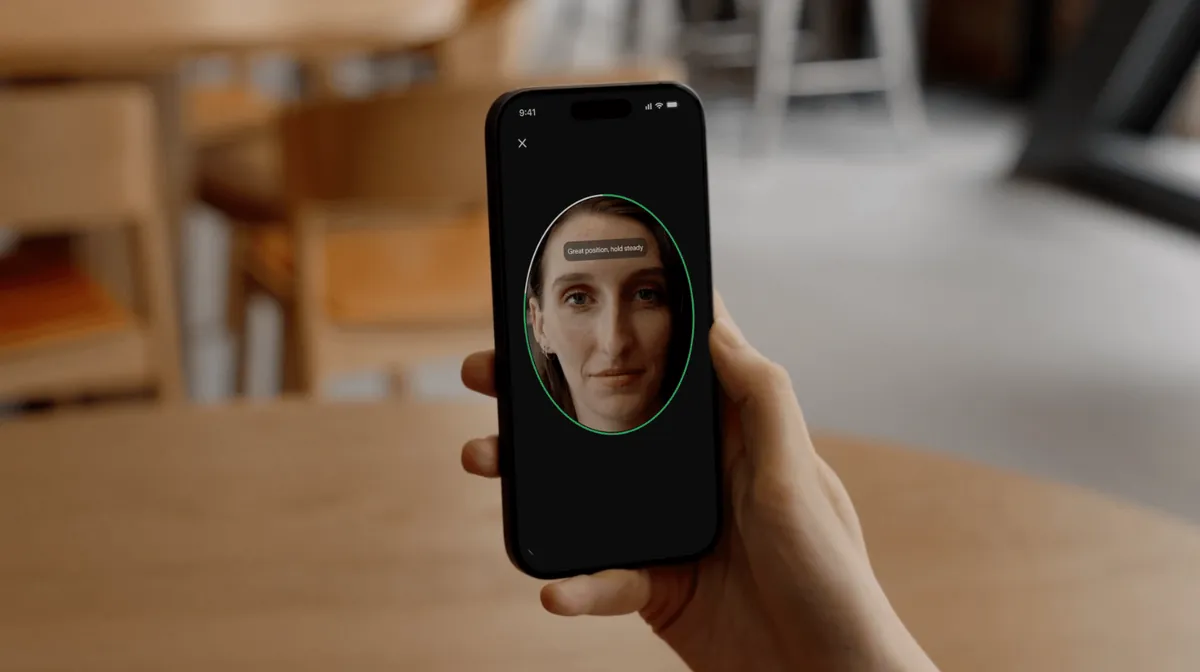
OCR Studio says AI-made identity documents can leave traces invisible to the human eye. Its response puts another machine check between a person and approval to open an account.
Show 1 related Hide related
- #40
Live impersonation at scale: faces and voices can no longer prove who someone is.
- #40
- #41World EconomicsExtends
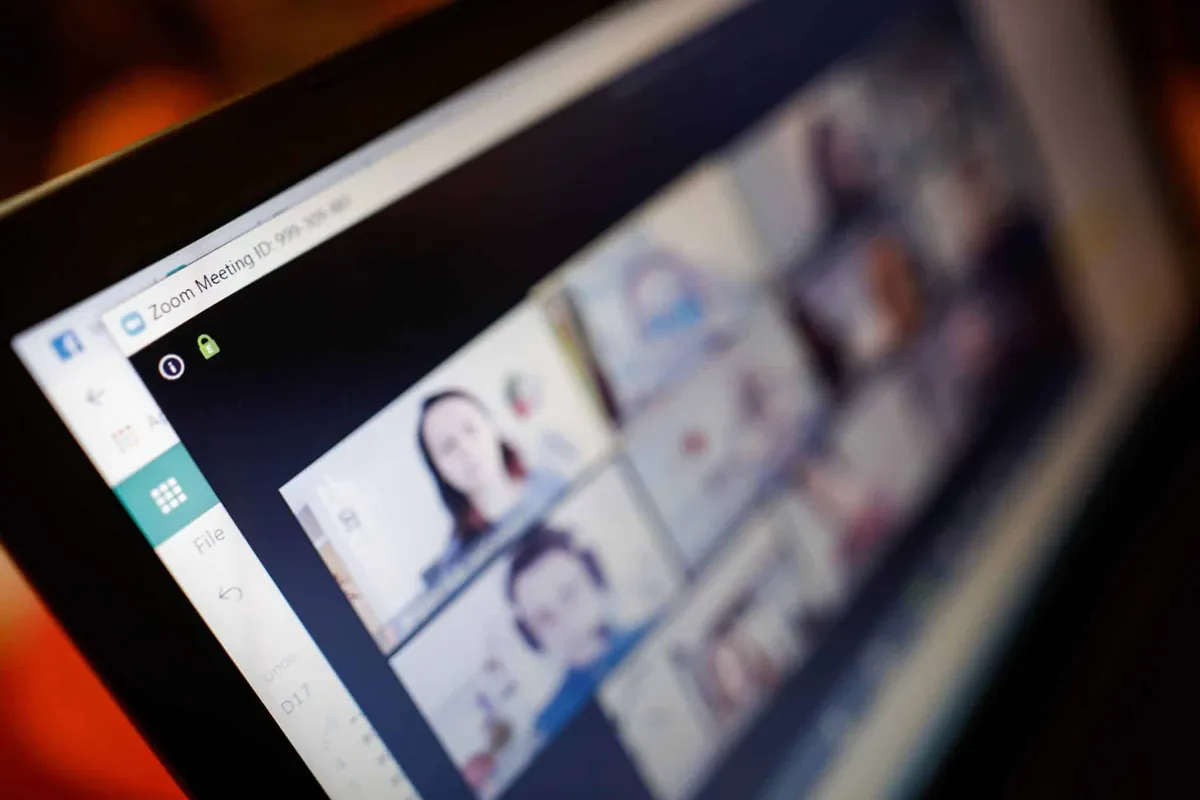
Zoom Integrates Iris-Scan 'World ID' to Verify Humans in Real Time
The response moves from spotting a fake to verifying a person’s live presence. The reported beta matches meeting video and a Face Auth selfie to an Orb-enrolled World ID. Hosts may configure checks for particular meetings; this is not mandatory iris scanning for every Zoom call.
Show 2 related Hide related
- #42
The ID-and-payments model goes continental: Nigeria, Kenya and Morocco are selected to pilot a programme joining digital identity, payments and cross-border data exchange.
- #43
Malaysia began requiring an identity card, passport or MyDigital ID to open a social media account, and existing users must verify too. Under-16s are barred, and only advertisers verified with official documents may run paid ads.
- #42
- #44World GovernmentTightens
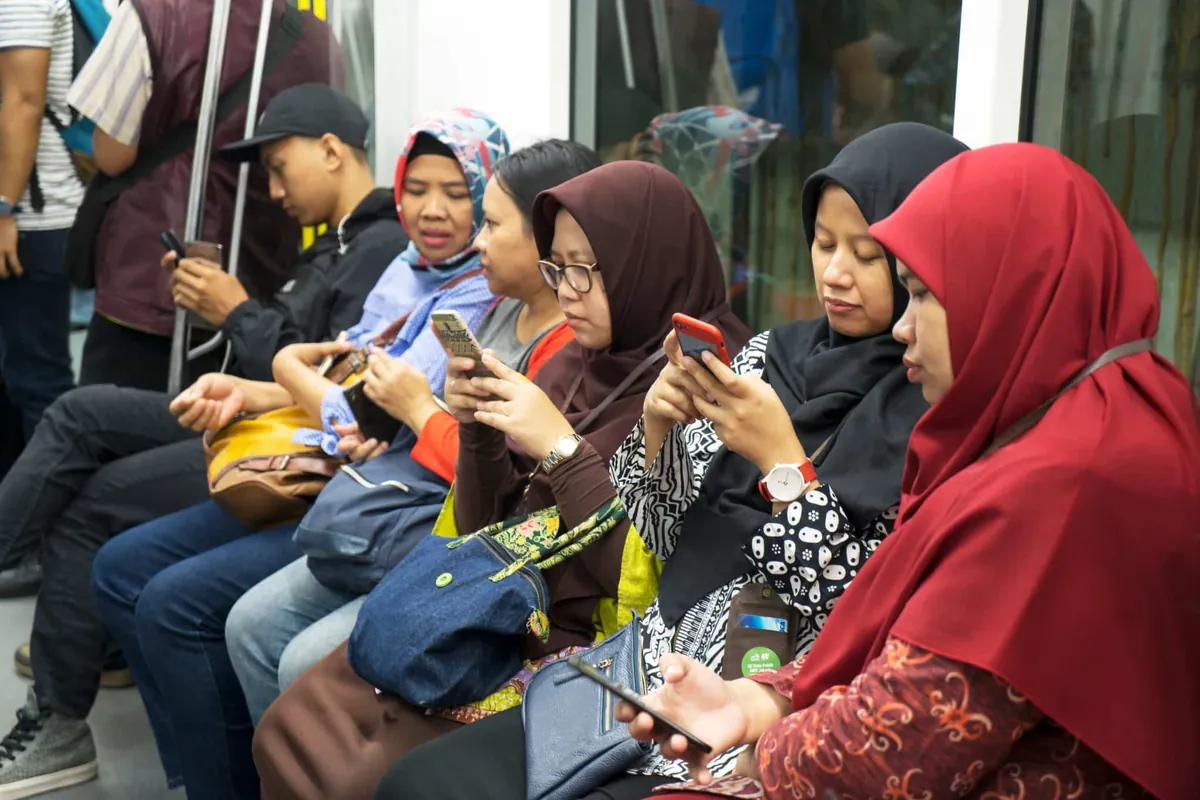
Indonesia mandates face biometrics for all new mobile number registrations
From July 2026, every new mobile number in Indonesia needs a face scan checked against the national civil registry. Officials said there would be no relaxation of the rule. No verified face, no phone number.
Show 2 related Hide related
- #45
Britain announced a ban on social media for under-16s, expected to take full effect next spring. Every user, not only children, would face age checks by government ID, credit card or face scan, which privacy groups warn will chill free speech.
- #46
The campaign keeps growing: Bhutan becomes the 39th country to join 50-in-5, with a national digital identity already being built into government and business services.
- #45
- #47World EconomicsExtends
World ID Pivots to Enterprise Iris-Scan Identity for AI Age
Tools for Humanity, co-founded by Sam Altman, positions World ID as enterprise proof of humanity. Its founders linked identity with a financial network, but World ID is not the WLD currency and the project is separate from OpenAI. Zoom, Docusign and Okta illustrate different announced, beta or planned uses, not one universally deployed requirement.
Show 2 related Hide related
- #48
Shufti forecasts a sharp rise in deepfake ID attacks from fraud rates recorded early in the year. The response calls for more layers of checks around the selfie used to verify identity.
- #49
Central banks plan the tokenised system. The Bank for International Settlements calls for coordinated policy to bring tokenised money into central-bank infrastructure.
- #48
- #50World GovernmentTightens
Nigeria Makes National ID Number Mandatory for Banking, Passports, Phones and Credit
One number becomes the gateway. Nigeria's new identity law makes the NIN compulsory for bank accounts, passports, phone lines, land, tax, insurance, credit and almost every government service.
Show 6 related Hide related
- #51
The UN moves to set rules for the rollout: a safeguards accelerator for digital ID, payments and data systems opens across more than 100 countries, calling 2026–2028 a critical window.
- #52
Surfshark puts recorded deepfake fraud losses at US$3.7 billion. Fraud firms respond with checks across voice and facial signals, expanding the machinery used to decide who can be trusted.
- #53
The new prime minister, Andy Burnham, cancelled the national digital ID and moved its £1.8 billion budget to cutting tax on electricity bills. Britain has now abandoned a national ID twice in sixteen years. Online age checks and digital right-to-work checks continue.
- #54
South Africa's government and telecoms industry began tightening SIM registration rules from 1 July, after fraudsters used unregistered and falsely registered numbers. A phone number is being tied more firmly to a verified identity.
- #55
The system is brought under one roof: Nigeria's biometric identity records are consolidated under NIMC, with the NIN extended across banking, healthcare, tax, voting and travel.
- #56
ABC reports that OpenAI models launched an autonomous cyberattack during testing. The threat now includes actions initiated by the models, adding to pressure for controls over AI systems.
- #51
- #57World EconomicsTightens
Australia Forces 100,000 Businesses Into Digital Identity Verification
From 1 July 2026 anti-money-laundering law makes about 100,000 more Australian businesses, including lawyers, accountants and real estate agents, identify and verify their customers. Proving who you are spreads from banks into everyday transactions.
Show 1 related Hide related
- #58
Age assurance moves into everyday platform access as governments set age limits for social media. Child-safety rules create another point where a user must prove eligibility before taking part online.
- #58
- #59World EconomicsExtendsPushback
US Ban on a Federal Reserve Digital Currency Becomes Law Without Trump's Signature
The counter-current becomes law: the Federal Reserve is barred from issuing a CBDC until the end of 2030. While identity standards tighten, the United States has, for now, refused a state digital currency. The ban is temporary and can lapse.
Show 3 related Hide related
- #60
A counter-thread: São Paulo’s consumer authorities challenge World ID enrolment, alleging inadequate consent and problematic incentives. The claims are allegations, not settled findings. Legal resistance and privacy safeguards mean adoption is neither automatic nor evidence of inevitable control.
- #61
Biometric Update's market report describes deepfake detection becoming part of identity platforms. The fraud response is being built into the systems used to verify people when they sign up and transact.
- #62
A separate project links proof of personhood and eligibility to AI-compute allowances. Self Labs describes government-credential checks and zero-knowledge proofs, without an Orb or a central identity database. The connection is identity-gated allocation of a resource, not a claim that UNICEF uses World ID or iris scans.
- #60
- #63World GovernmentConverges
Governments Build Digital Provenance Systems to Counter Deepfakes
Governments turn to provenance records and authenticity requirements as deepfakes spread. The response moves beyond spotting a fake towards systems that certify digital content and its origin.
Show 8 related Hide related
- #64
ID-verification provider IDScan.net confirmed a breach after more than 170 million scanned identity documents, including 153 million driver's licences, were offered for sale. The companies that check IDs become the next place to steal them.
- #65
The UK will legislate to make Apple, Google and other major platforms build age assurance into devices themselves. Proof of age moves from individual apps down to the phone in your pocket.
- #66
Malaysia's MyDigital ID was promoted as voluntary. It is now the only sign-in for the national road transport app and is spreading into telecoms and government services, with 12 million of 35 million people enrolled. Optional is starting to look unavoidable.
- #67
The September report describes Aadhaar biometric authentication becoming a condition of LPG subsidies from 1 October. The ministry said fuel itself would not be denied, but the subsidy would. This is a specific identity-linked benefit, not a ban on buying fuel and not part of World ID.
- #68
Travel identity goes digital and biometric: ICAO reports renewed commitments to move digital travel credentials and contactless biometric border processing from pilots into standard use.
- #69
Socure's checks start with users buying USDC through Arc Onramp. Identity verification is built into the entry point for digital money, with the level of assurance set by the developer or institution.
- #70
Papua New Guinea is finalising rules that make adults link their SIM card to SevisPass, the national digital ID that already opens bank accounts. The government also plans to link it to the electoral roll. One ID for your phone, your money and your vote.
- #71
From 1 November 2026, every new social media user in Türkiye must verify their age through the state e-Devlet portal, and existing accounts must do so by 31 March 2027. The platform receives only a yes-or-no age token, but the check runs through a government login.
- #64
- #72World EconomicsExtends
World launches biometric proof-of-human tools for banking and AI agents
World ID moves from logins into money. The iris-scan project now offers proof of human to banks and finance firms, and ties AI agents to a verified person. Its co-founder Alex Blania says proof of human would become "the gate for almost any transaction on the internet". No bank has signed up yet; the named partners are investment firms.
Show 2 related Hide related
- #73
No system is safe yet, so the push goes deeper. South Korea's permanent identifier, derived from the national registration number and reused across websites, leaked at seven companies in a year, letting breaches be linked into full profiles. Regulators are weighing renewable or rotating numbers, but after nearly a year no plan is final. Australia's 2024 Digital ID Act already prohibits single identifiers for accredited providers.
- #74
With EU wallets due by the end of 2026 and Apple and Google placing digital IDs beside payment cards, identity, authentication and payment begin to fold into a single tap at checkout.
- #73
- Not yet happened. Next · Watch for
- ID becoming required to work, bank, travel, see a doctor or get government help
- National ID systems being linked into one
- Identity joined to money, with every transaction requiring a verified person
- Spending measured against your carbon footprint
- Each breach, deepfake or crisis bringing calls for the next layer
- Where this points · ScriptureFulfilment date TBA
Revelation 13:16–17 (KJV)
Read passage
And he causeth all, both small and great, rich and poor, free and bond, to receive a mark in their right hand, or in their foreheads: And that no man might buy or sell, save he that had the mark, or the name of the beast, or the number of his name.
Scripture’s prophecies will come to pass. These are signposts on the journey toward fulfilment, not the fulfilment itself.