China: The Blueprint for Total Control
Social credit, programmable money, digital ID, registered faith and conformity by law: five threads converging on one system where no one acts without approval.
Overview
Each of these developments was reported on its own, and on its own each can be explained away: a credit-records scheme, a payments upgrade, an identity regulation, a crackdown on unregistered churches, a law about national unity. Read in sequence, they look less like separate policies and more like the parts of one machine being assembled.
The groundwork was laid in 2014, when China's State Council published its plan for a Social Credit System — a framework for records on citizens and organisations and for rewards or restrictions across several sectors. The State Council proposed linking records across sectors so that breaches could bring restrictions elsewhere.
The second thread is money. From 2020 the People's Bank of China began piloting the digital yuan, a central bank digital currency. The PBOC's 2021 whitepaper describes managed anonymity and smart-contract payments under defined conditions. Trial giveaways have been programmable, with limits on when and where promotional funds could be spent.
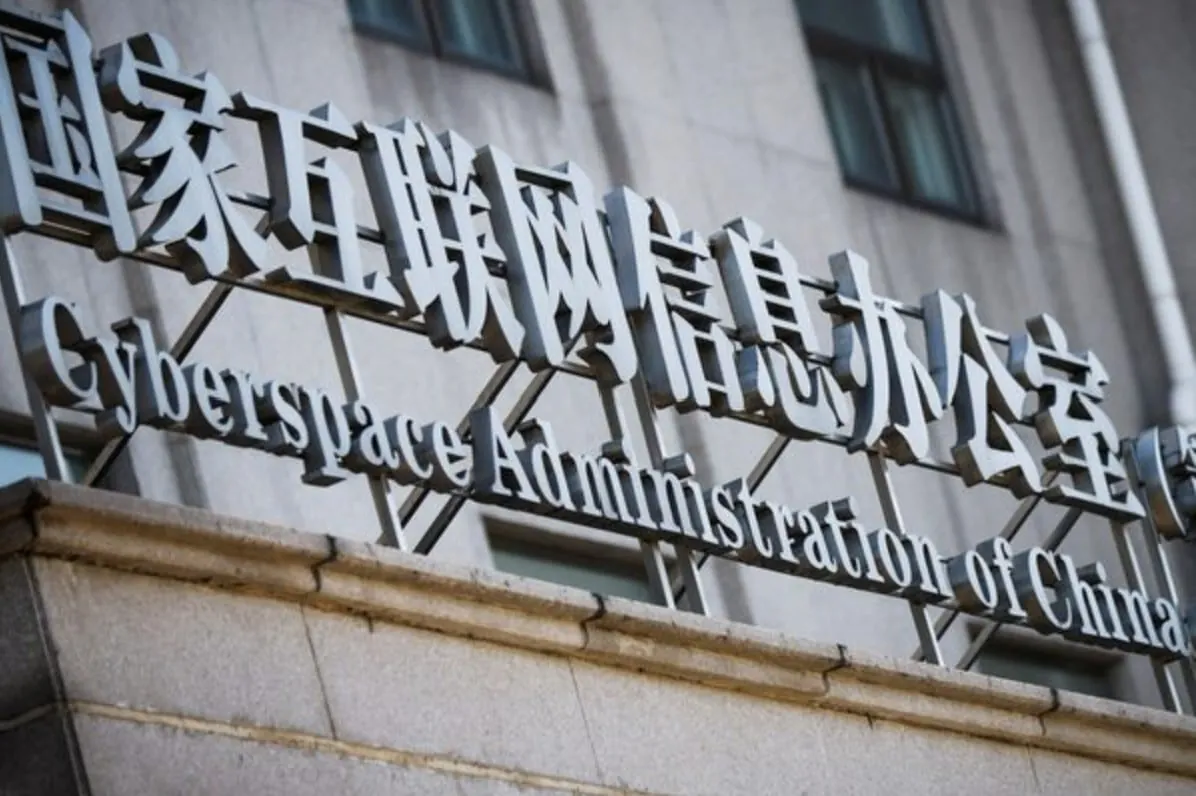
The third thread is identity. In July 2025 China launched a national "internet ID", a single government-issued code for signing in online, so the state rather than each app holds people's real names. It is voluntary for now. In June 2026 the Cyberspace Administration went further, releasing draft rules for a national blockchain-based digital identity tied to government-approved providers and real-name certificates.
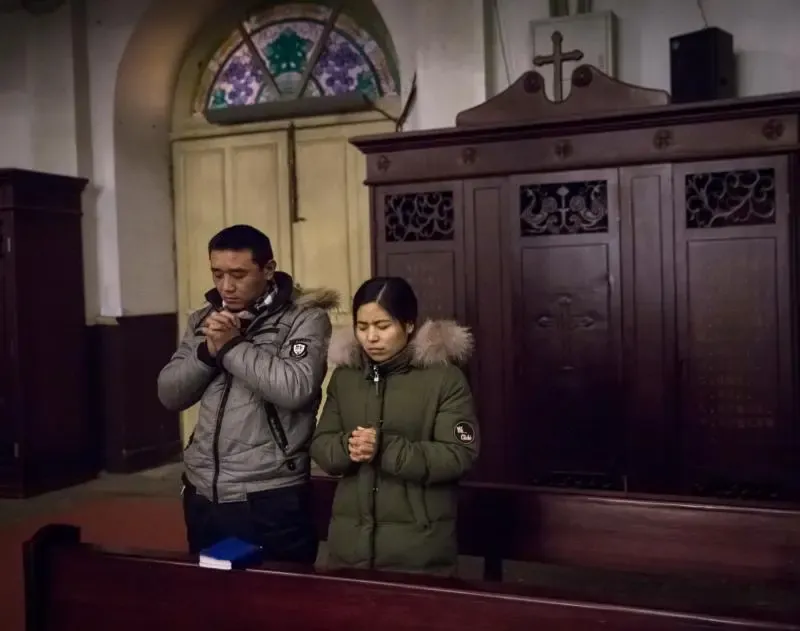
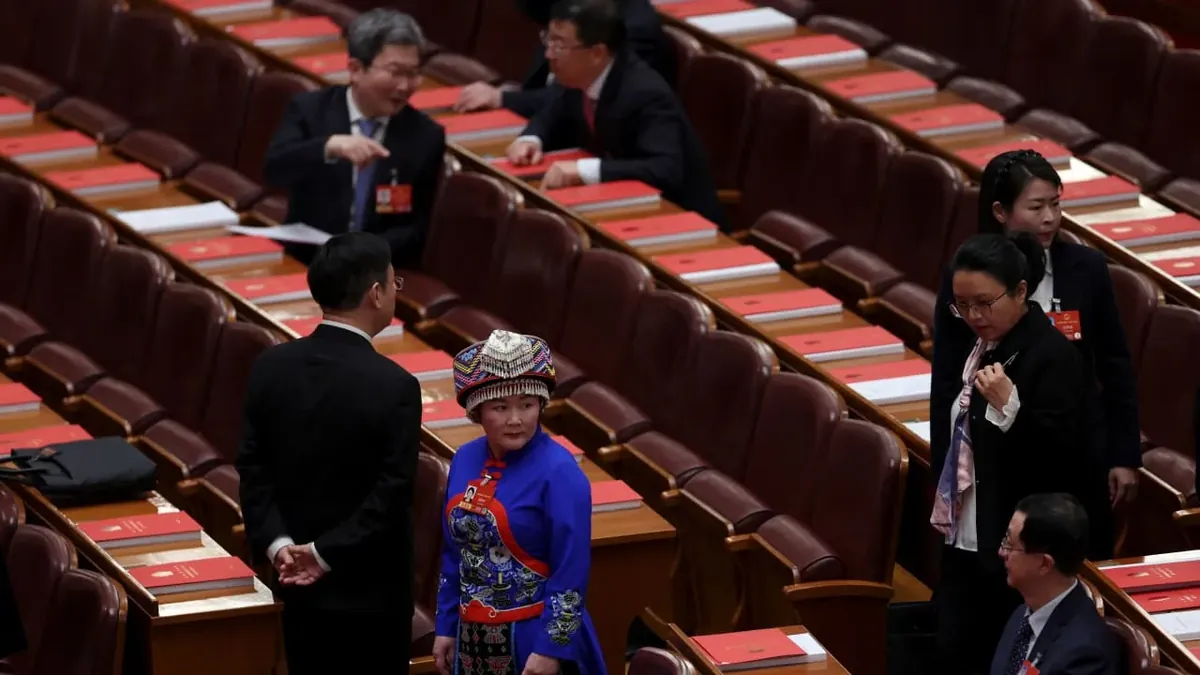
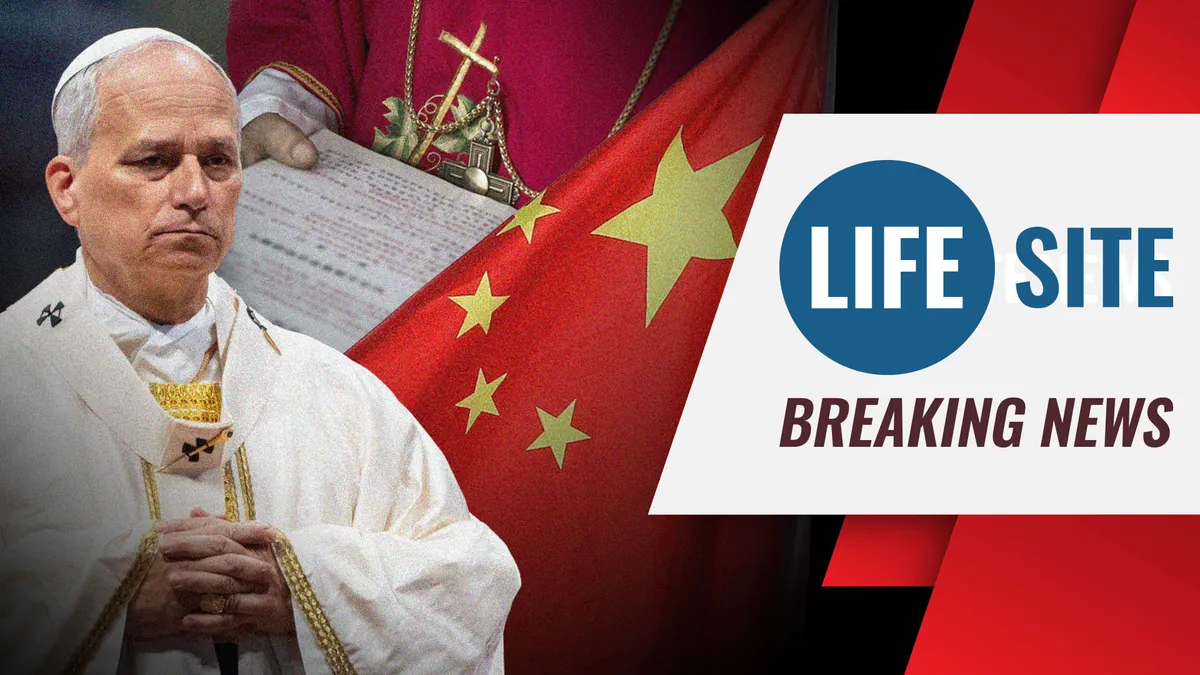
Then the system tightens on belief and culture. Pastors of unregistered churches have been imprisoned. The Guardian reported in July 2026 that Zion founder Ezra Jin had been released, while several church members remained detained. A 'national unity' law requires ethnic minorities to conform to Communist Party cultural and religious guidelines. Even the Vatican now accepts bishops chosen under Beijing's process. Faith is allowed, but only on the state's terms.
Finally, the model is exported. Chinese firms now sell integrated surveillance packages — AI cameras, facial recognition and central command systems — to dozens of nations.
Scripture describes a final system in which no one may buy or sell without a mark of allegiance (Revelation 13:16-17). This Signpost does not claim China is that system. It shows that every component such a system would need — identity, money, surveillance and enforced conformity of worship — is being built or expanded, with Chinese surveillance systems offered abroad.
Key verseAnd he causeth all, both small and great, rich and poor, free and bond, to receive a mark in their right hand, or in their foreheads: And that no man might buy or sell, save he that had the mark, or the name of the beast, or the number of his name.
Revelation 13:16–17 (KJV)
SP / Field notesThe connected events
Convergence matrix How the threads meet, at a glance
- Rows Threads
- Columns Months
- Builds on
- Background event
- Click a dot to pin its details
Timeline
This timeline is a selection, not a complete record. Many more events sit behind it; the key events gathered here help show the wider trend.
- 3Groundwork
- 5Builds
- 10Extends
- 8Tightens
- 6Converges
- #1World GovernmentGroundwork
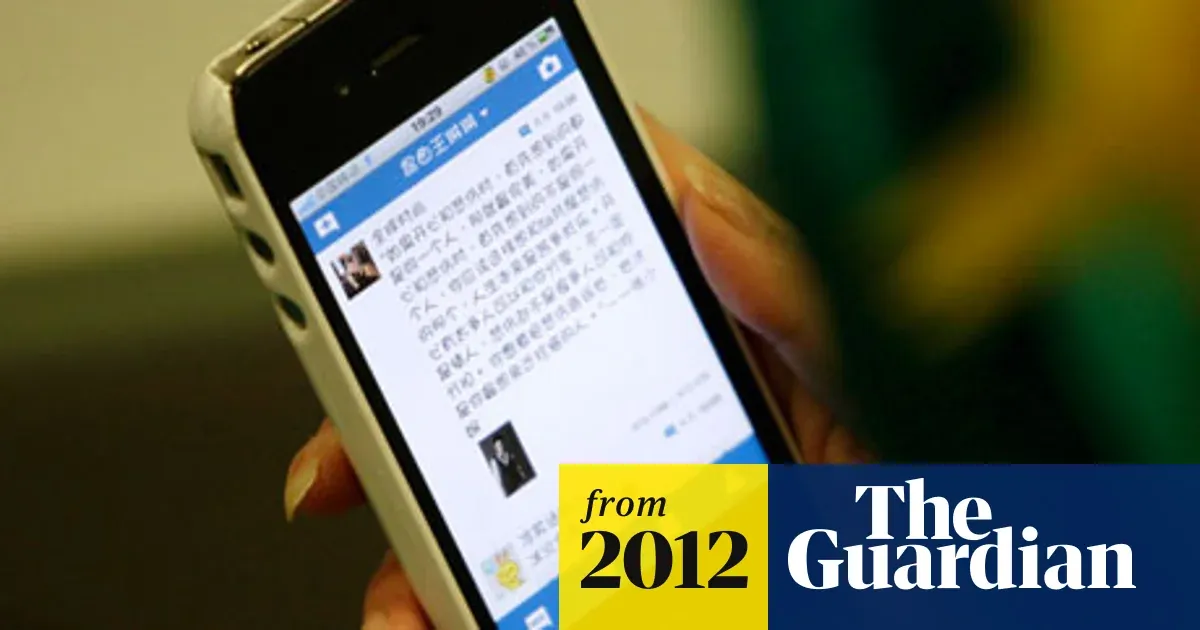
China adopts real-name rules for internet access and public posting
Real-name checks reach the services people use to speak. Providers must collect identifying information for public posting and network access, while the rules also authorise removal of material judged illegal.
- #2World GovernmentGroundwork
China's State Council issues the Social Credit System planning outline (2014–2020)
The State Council sets out a national framework for credit records, information sharing and rewards or restrictions across government, commerce and society.
Show 5 related Hide related
- #3
The overseas ambition is stated in public. Xi puts big data and smart cities inside the Belt and Road programme, giving Chinese digital infrastructure a route into other countries.
- #4
The Great Firewall reaches another private channel. The Guardian finds WhatsApp photo, video and voice messages blocked while texts still pass, and reports censorship of private WeChat messages about Liu Xiaobo.
- #5
Cameras become a means of finding a named person. The BBC gains access to a police control room using facial recognition; a staged search for its reporter shows how identification can lead officers to someone in public.
- #6
Health checks feed police identity files. HRW finds DNA and other biometrics being collected under Xinjiang’s population-registration programme and linked to national ID numbers, with no clear route to opt out.
- #7
Independent worship loses its building. The Guardian reports the demolition of Golden Lampstand church and cites activists who say more than 1,200 church crosses have been removed in Zhejiang since the crackdown began.
- #3
- #8World ReligionBuilds
Revised Religious Affairs Regulations Take Effect in China
Religious life is placed inside an approval system. The revised rules require registration and authorised venues, and tell believers and religious bodies to practise core socialist values under state supervision.
Show 2 related Hide related
- #9
Political loyalty is written into a church programme. The published five-year Catholic plan names acceptance of Communist Party leadership and support for the socialist system as core political requirements.
- #10
Surveillance and worship meet at the church door. Zion had refused requests to install CCTV; Beijing then banned its unregistered gatherings and directed worshippers to officially sanctioned churches.
- #9
- #11World ReligionConverges
Vatican and China sign provisional agreement on appointing bishops
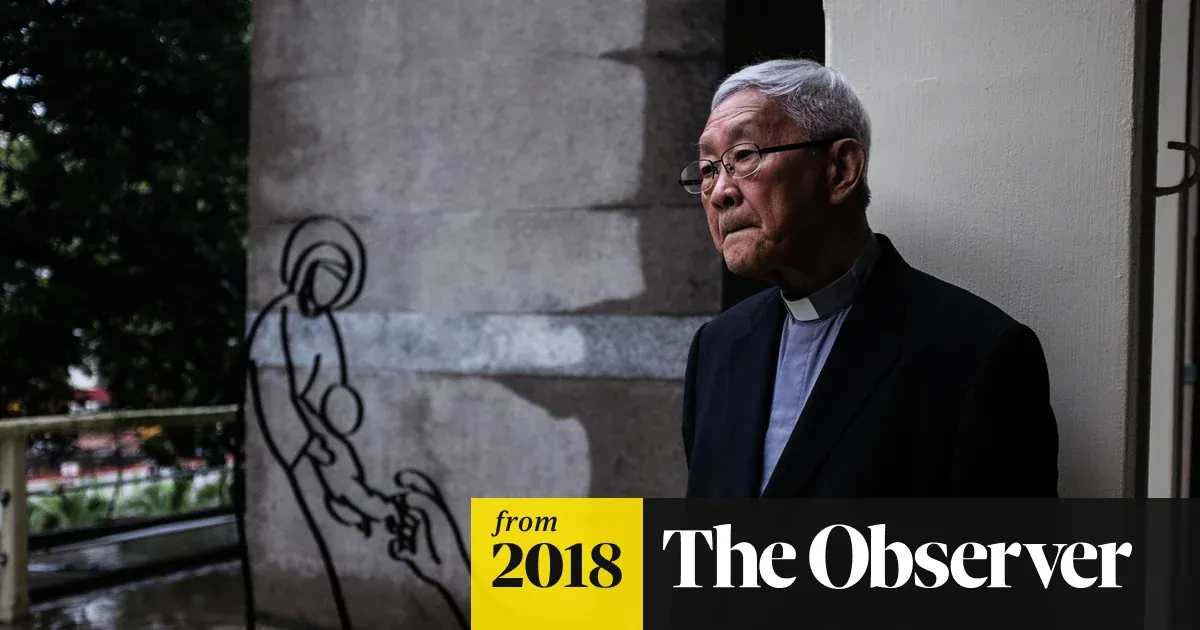
The choice of bishops becomes a negotiated arrangement with Beijing. Rome recognises seven previously unapproved bishops; Cardinal Joseph Zen condemns the deal, while the Vatican says its purpose is pastoral unity.
Show 1 related Hide related
- #12
The same demand reaches another faith. The China Islamic Association discusses a five-year programme for mosques to uphold socialist values, showing how political direction reaches religious teaching and practice.
- #12
- #13World GovernmentTightens
Official report counts 17.46 million flight bans and 5.47 million high-speed rail bans
A court blacklist becomes a barrier to travel. People’s Daily cites 17.46 million flight bans and 5.47 million high-speed rail bans by the end of 2018, linking enforcement records to whether someone can buy a ticket.
- #14World GovernmentConverges
HRW reverse-engineers Xinjiang police app linking daily behaviour to detention checks
Identity records become police instructions. HRW finds that Xinjiang’s IJOP flags ordinary behaviour, including a mismatch at a petrol station, and sends officials to investigate people for possible detention.
- #15Signs of the TimesExtends
Carnegie maps Chinese AI-surveillance technology in 63 countries
The export claim gets a documented scale. Steven Feldstein’s index finds Chinese-company AI-surveillance technology in 63 countries, including 36 Belt and Road participants; Huawei alone supplies at least 50.
Show 1 related Hide related
- #16
The pressure on independent churches reaches a prison sentence. A Chengdu court gives Wang Yi nine years for inciting subversion and illegal business operations after police detained members of his unregistered congregation.
- #16
- #17World EconomicsBuilds
China Confirms Digital Yuan Trials in Four Cities
State digital money enters local trials. The PBOC's 2021 whitepaper describes managed anonymity and smart-contract payments under defined conditions; later promotional trials limited where and when giveaway funds could be spent.
Show 5 related Hide related
- #18
State digital money reaches everyday shopping through a voluntary giveaway. Shenzhen offers 200-yuan packets to 50,000 lottery winners, with spending confined to designated outlets and a short trial window.
- #19
The provisional arrangement survives its first review. Rome and Beijing extend the bishop-appointment deal to October 2022; the Vatican says the agreement covers appointments while other religious-freedom problems remain.
- #20
The camera network reaches beyond city streets. A report reproduced by Georgetown CSET describes Sharp Eyes linking village cameras to residents’ televisions and phones so neighbours can report what they see to police.
- #21
The retail pilot reaches an international stage. Foreign Olympic participants can open digital-yuan wallets without a Chinese bank account; cash and Visa remain available alongside the state-issued digital currency.
- #22
The arrangement becomes a continuing channel for appointments. An official communiqué extends the 2018 deal for another two years after consultation between the Holy See and Beijing.
- #18
- #23World EconomicsConverges
BIS Reports mBridge Pilot Settling 164 Cross-Border CBDC Transactions
Digital state money crosses borders in a working trial. BIS reports that 20 banks in four jurisdictions settled 164 payments and foreign-exchange transactions worth more than US$22 million directly on mBridge.
Show 2 related Hide related
- #24
The cross-border experiment moves into a platform other banks can join. BIS announces mBridge’s minimum viable product and Saudi participation, with real-value transactions subject to each jurisdiction’s readiness.
- #25
The temporary deal is given a longer life. The third renewal runs for four years, leaving Beijing and Rome’s appointment arrangement in place as their official relationship develops.
- #24
- #26World GovernmentConverges
China’s voluntary national internet-ID rules take effect
Real-name verification gains a state-run hub. The new service lets users prove identity with a network number or credential. Joining is voluntary, and the rules require equal service for people who keep other lawful verification methods.
- #27World ReligionExtends
Chinese Pastor Jailed 227 Days as Beijing Escalates Church Crackdown
The May report described Ezra Jin's detention and pressure on unregistered churches. The Guardian reported his release in July 2026, with several other Zion members still detained.
- #28World EconomicsExtends
China Builds State-Controlled Digital Identity System on Blockchain
Biometric Update reports draft rules for a blockchain identity framework anchored to authorised providers and real-name certificates.
- #29World ReligionTightens
China enforces 'National Unity' Law Requiring Minorities to Conform to CCP Culture
Conformity is no longer encouraged — it is law. Culture and faith must align with the Party.
Show 1 related Hide related
- #30
The pressure has a counter-example. Zion founder Ezra Jin is released and joins his family in the US after diplomatic appeals. The Guardian reports that several other Zion members remain detained.
- #30
- #31World ReligionTightens
Pope Leo XIV Approves CCP-Backed Bishop as China's Underground Church Suffers
LifeSite reports another papal approval under the Vatican's agreement with Beijing. Bishop appointments remain a channel through which religious authority negotiates with the Chinese state.
- #32LatestSigns of the TimesConverges
China's Surveillance Tech Exports Risk Turning Nations Into Digital Dictatorships
The model is exported: what was built for one nation becomes a template for others.
- Not yet happened. Next · Watch for
- The digital identity framework moving from draft to mandatory, the digital yuan becoming required for everyday or government payments, and the 'Safe City' model being adopted by more nations
- Each would mark the system moving from China's domestic project to an exportable template
- Where this points · ScriptureFulfilment date TBA
Revelation 13:15 (KJV)
Read passage
And he had power to give life unto the image of the beast, that the image of the beast should both speak, and cause that as many as would not worship the image of the beast should be killed.
Scripture’s prophecies will come to pass. These are signposts on the journey toward fulfilment, not the fulfilment itself.